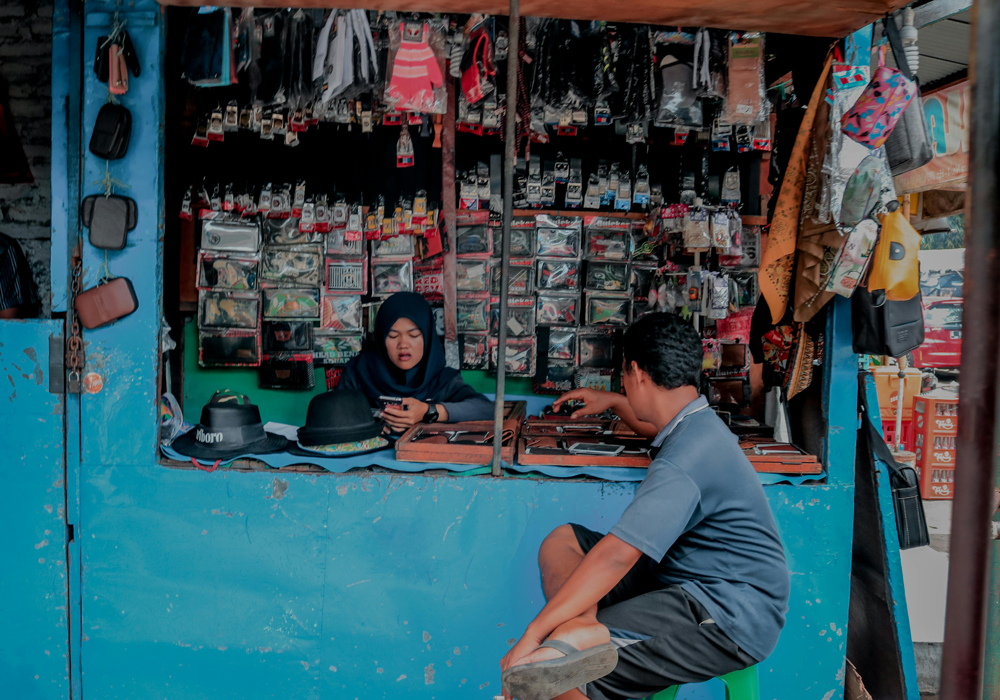
Cost of Living. Living on 3 million IDR per month (approximately $190 USD) in Indonesia is a common reality for many, as it sits near the national average wage. However, your experience will depend entirely on where you live.
In a large city like Jakarta, this is a “survival” budget. In a smaller town in Central Java or Yogyakarta, it can be a modest but sustainable lifestyle.
Cost Of Living – The Regional Divide
- Jakarta: The minimum wage is over 5.4 million IDR. Trying to live on 3 million here is extremely difficult. You would likely live in a small Kos (boarding room) in a crowded area and eat exclusively at Warungs (street stalls).
- Central/East Java: In cities like Solo or Jogja, the minimum wage is around 2.1–2.3 million IDR. Here, 3 million IDR makes you “middle-class” relative to the local average. You can afford a decent room, eat well, and perhaps even save a little.
Typical Monthly Budget (Estimated)
To make 3 million IDR work, an Indonesian typically follows a very disciplined budget:
| Expense | Estimated Cost (IDR) | Notes |
| Housing (Kos) | 700k – 1.2M | A simple room with a fan and shared bathroom. |
| Food | 1.2M – 1.5M | Eating at Warung Tegal (Warteg) at ~15k–20k per meal. |
| Transport | 300k – 500k | Mostly fuel for a small motorcycle (scooter). |
| Utilities/Data | 150k – 250k | Prepaid phone data and small electricity token. |
| Laundry/Social | 200k | Occasional coffee or laundry service. |
| Total | ~2.7M – 3M | Very little room for savings or emergencies. |
How People Make It Work
Because the margin is so thin, Indonesians often use several “survival” strategies:
- The “Warteg” Diet: Eating at local food stalls where you can get rice, a piece of chicken/tempeh, and vegetables for very cheap. Cooking at home is sometimes actually more expensive for a single person than buying from a Warteg.
- Motorcycles are Vital: Public transport can be inconsistent and expensive over time. Owning a small Honda or Yamaha scooter is the most cost-effective way to get around.
- Shared Costs: Many young workers live with their parents or share a house with friends to eliminate rent entirely.
- BPJS (Healthcare): Most workers rely on the government’s BPJS health insurance to cover medical costs, as a single private hospital bill could wipe out several months of salary.
The Challenges
- Inflation: Food prices (especially rice, chili, and cooking oil) fluctuate. A small spike in prices can immediately force someone to skip meals or cut back.
- Social Pressure: Indonesian culture often involves “nongkrong” (hanging out). Staying social on this budget usually means sticking to cheap instant coffee at a Warung Indomie (Warmindo) rather than cafes.
- No Safety Net: There is almost zero “emergency fund.” If the motorcycle breaks down or a family member gets sick, most have to borrow money from friends or family (or use “Pinjol” — online lending apps, which can be a dangerous debt trap).
Summary
Living on 3 million IDR is a balancing act. It is doable for a single person in a secondary city, but for a family or someone in a major metro area, it usually requires a second income or significant support from an extended family network.