
Indonesian Language. Ever wondered how many languages exist in Indonesia? Well, grab a snack (preferably tempe goreng or keripik singkong), because this is going to be a wild ride through the land of “Bahasa-bahasa yang super banyak banget!”
Indonesian Language: Where Every Island Speaks Its Own “WiFi Password”
Indonesia isn’t just one country — it’s a 17,000-island language buffet. Linguists estimate that there are more than 700 living languages here. Yep, tujuh ratus! That’s like every island said, “Hmm, let’s make our own version of ‘hello’ and confuse future generations!”
Each language often reflects its cultural roots and island origins
On Java, you’ll find Javanese, Sundanese, and Madurese — languages so polite they have different levels of speech depending on who you’re talking to (try learning that before your morning coffee).
On Sumatra, there’s Minangkabau, Batak, and Acehnese — languages that sound like someone singing fast with passion and rhythm.
On Sulawesi, Bugis and Makassarese show off their maritime roots — people here probably have a word for every type of wave.
And on Papua, the diversity is next-level — hundreds of local languages that could make Google Translate cry.
So… Why Are Indonesia’s Languages So Different?
Blame geography — and a bit of island stubbornness.
Indonesia is made up of thousands of islands, separated by water, mountains, and sometimes the occasional volcano. For centuries, people lived in their own kingdoms and developed unique ways of speaking. Basically, everyone was so busy trading spices and defending their islands that they never sat down to agree on one common language.
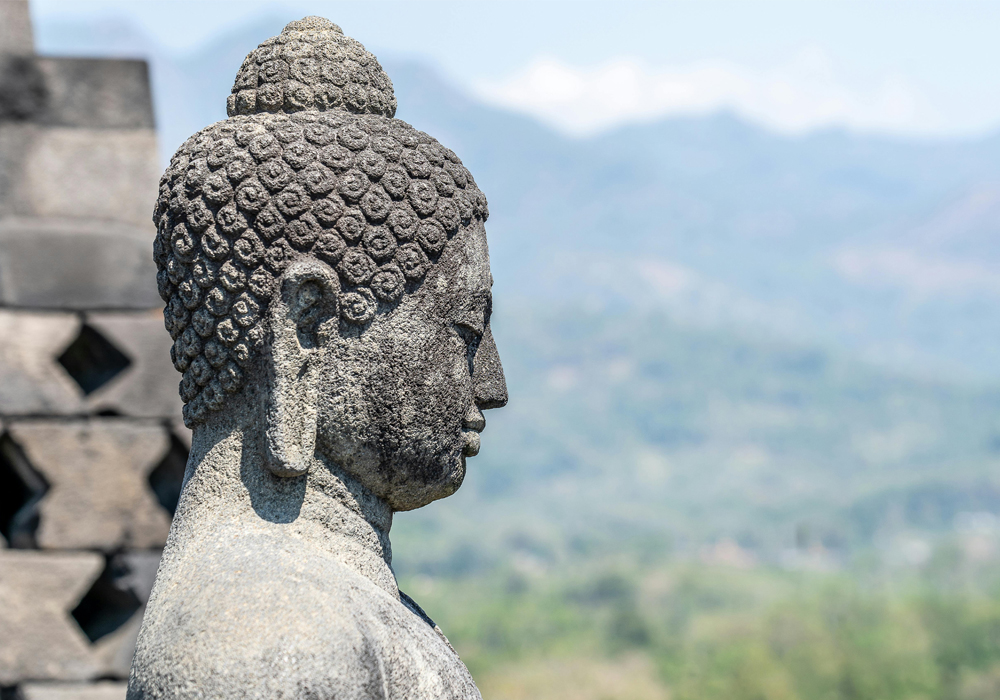
So now we have a linguistic salad — delicious, chaotic, and uniquely Indonesian!
Then Came Bahasa Indonesia: The “Middle Child” That Became Famous
Now you might be wondering: “Wait, if there are 700+ languages, what’s Bahasa Indonesia doing here?”
Bahasa Indonesia is actually part of this family! It’s a standardized form of Malay (Bahasa Melayu) — a language widely used as a trade language across the archipelago long before the nation was born. When Indonesia declared independence in 1945, the founding fathers were like:
Okay, we need one language so we don’t argue about every sentence. Let’s pick one everyone kinda understands!
They chose Bahasa Indonesia because:
* It was neutral (not tied to any one big ethnic group like Javanese or Sundanese).
* It was already familiar thanks to trade, education, and the media.
* It was simpler to learn compared to other local languages with multiple speech levels.
So voilà — Bahasa Indonesia became the national language, the glue that holds this linguistic carnival together!
But Wait… How Do Indonesians Learn Indonesian?
Here’s the plot twist: Bahasa Indonesia isn’t always the first language people learn at home. Many kids grow up speaking their mother tongue (like Javanese or Bugis) first, and *then* learn Bahasa Indonesia in school.
It’s kind of like having your grandma’s cooking at home (your local language) and then learning how to order pizza (Bahasa Indonesia) when you go to the city.
Eventually, through school, TV, TikTok, and memes — everyone becomes fluent in Bahasa Indonesia. Because let’s face it: memes are the ultimate teacher.
In Conclusion
Indonesia is proof that **diversity doesn’t divide — it unites!
From the sound of gamelan in Java to the rhythm of Papuan chants, every language adds flavor to the nation’s culture.
And Bahasa Indonesia*? It’s the bridge connecting all those islands, allowing 275 million people to understand each other (and argue politely on the internet).