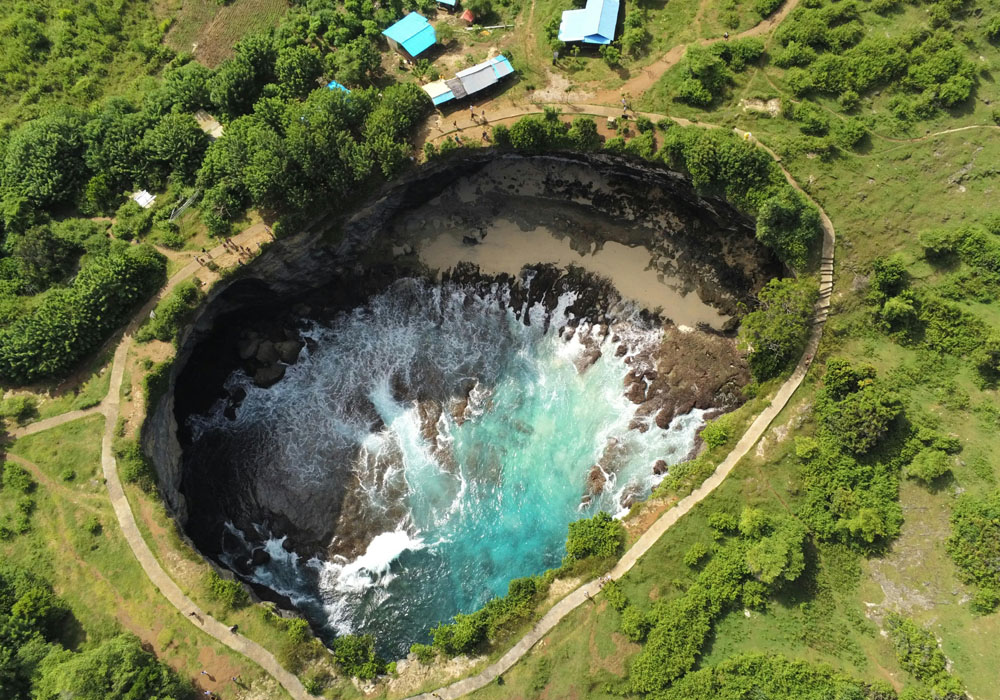
Nusa Penida does not offer comfort in the usual sense. It offers something better—wonder.
Leaving Bali Before Sunrise
I leave the Bali mainland while the sky is still dark, boarding a fast boat as the first hint of morning appears over the harbor. The sea is calm, and the air carries the smell of salt and diesel, mixed with excitement.
Ahead of me lies Nusa Penida, an island known for dramatic cliffs, hidden beaches, and a raw beauty that feels different from mainland Bali.
As the boat moves across the water, the coastline of Bali slowly fades behind me. It feels less like a day trip and more like crossing into another world.
An Island Shaped by Nature
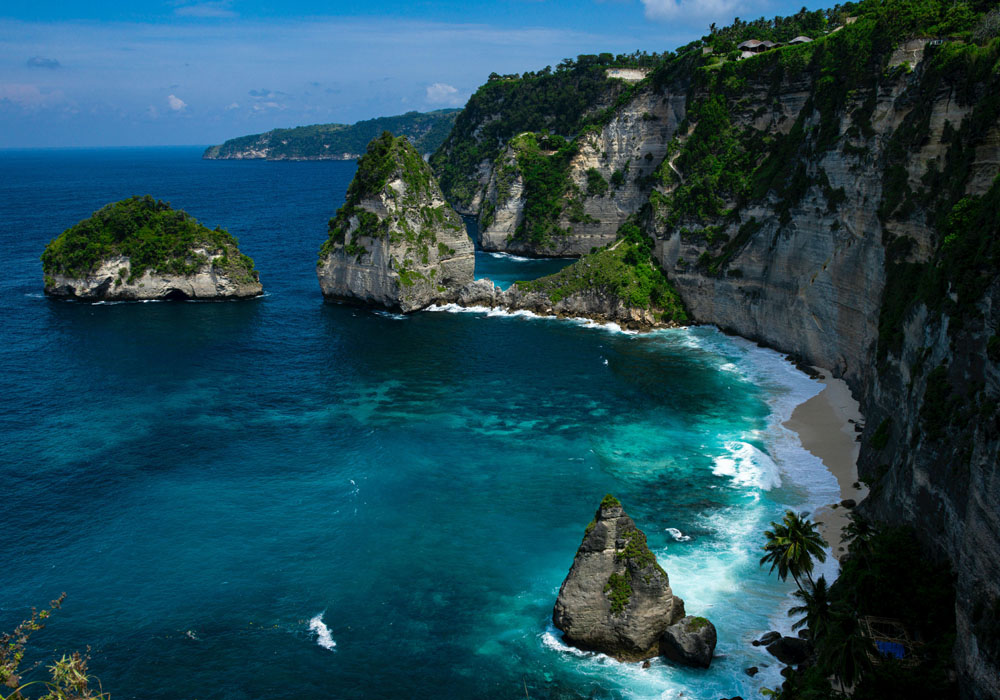
When I arrive, the first thing I notice is how rugged everything feels. Roads wind through dry hills, cliffs rise sharply from the sea, and the landscape looks wilder, less polished, and more untamed.
Nusa Penida is the largest of the three islands off Bali’s southeast coast, alongside Nusa Lembongan and Nusa Ceningan. For many years, it remained quiet and less visited due to limited infrastructure. Today, it has become one of Bali’s most popular escapes—yet it still keeps a sense of adventure.
This is not an island that gives itself easily. You have to move slowly, patiently, and with respect.
The Famous View of Kelingking
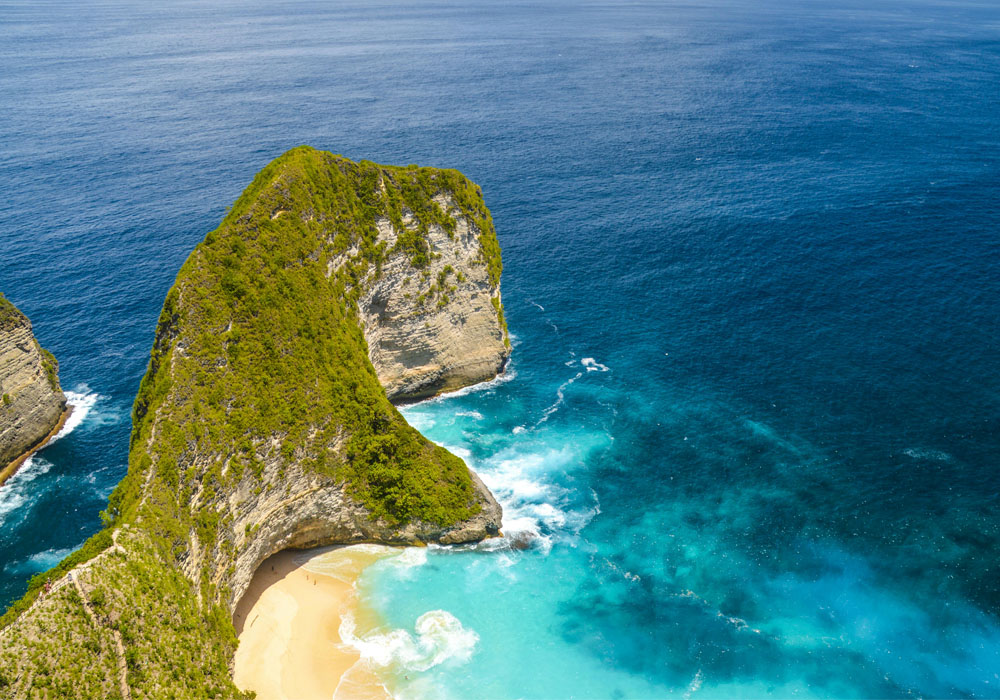
One of the first places I visit is Kelingking Beach. The path opens suddenly, revealing one of the most iconic views in Indonesia.
A giant cliff shaped like a dinosaur reaches into the sea, surrounded by turquoise water far below. Waves crash against white sand hidden at the base of the cliffs.
Photos never fully capture the scale of it. Standing there, feeling the wind and hearing the ocean below, the view feels alive.
The steep trail down to the beach is possible for experienced hikers, but many visitors simply stay at the viewpoint, taking in the grandeur from above.
Diamond Beach and the Stairway to the Sea
On the eastern side of the island, Diamond Beach offers another kind of beauty.
Stone steps carved into the cliffside lead down toward bright white sand and dramatic rock formations rising from the sea. The water glows in shades of blue so vivid it almost looks unreal.
It is one of those places that reminds you nature can still surprise you, even when you thought you had seen enough beauty for one day.
Sacred Places Beyond the Cliffs
Nusa Penida is not only about viewpoints and beaches. It is also deeply spiritual. One of the island’s most important temples is Goa Giri Putri Temple, hidden inside a limestone cave.
Visitors enter through a small opening in the rock, then step into a vast cave temple where ceremonies are still held. The experience feels mysterious and humbling.
This is an important reminder: islands like Nusa Penida are living communities with traditions, not just scenic destinations.
Respect the Island
Balinese and Penida communities believe certain places on the island hold strong spiritual energy. Offerings are made regularly, and ceremonies remain an essential part of life.
Local wisdom here is simple: enjoy the beauty, but do not disturb it. Respect sacred spaces, drive carefully, and remember that nature is not built for convenience.
On Nusa Penida, cliffs can be dangerous, roads can be rough, and the sea can change quickly. Beauty here asks for awareness.
Best Time to Visit
The best time to visit Nusa Penida is during the dry season (April to October) when roads are easier to travel and the sea is usually calmer for boat crossings.
For day trips, taking the earliest morning boat is highly recommended. You’ll have more time on the island and better light at major viewpoints.
If possible, stay overnight. The island becomes much quieter after day-trippers leave.
- Check the latest [Hotel Rates on Nusa Penida via Booking.com] to stay near the ocean.
How to Get There
Nusa Penida is reached by fast boat from Bali, with common departure points including:
- Sanur Harbor (most popular)
- Kusamba
- Padang Bai
The boat ride usually takes 30–50 minutes, depending on sea conditions.
Once on the island, travelers can hire a private driver, rent a scooter (for experienced riders only), or join a guided tour.
- Where to go to explore Nusa Penida? Book tour via GetYourGuide to enjoy Nusa Penida
Entrance Fees and Practical Information
Many viewpoints and beaches on Nusa Penida have small local entrance or parking fees, usually around IDR 10,000–25,000 per site.
Bring:
- Cash
- Water
- Sunscreen
- Good shoes
- Patience for bumpy roads
And most importantly, bring enough time.
Leaving with Salt on Your Skin
As I return to the harbor in the late afternoon, the cliffs glow golden in the lowering sun. The island already feels distant, even before I leave.
Nusa Penida does not offer comfort in the usual sense. It offers something better—wonder.
If Ubud teaches culture, Kuta teaches arrival, and Pemuteran teaches peace, then Nusa Penida teaches awe.
And some places are worth the extra effort simply because they remind you how wild beauty can still be.