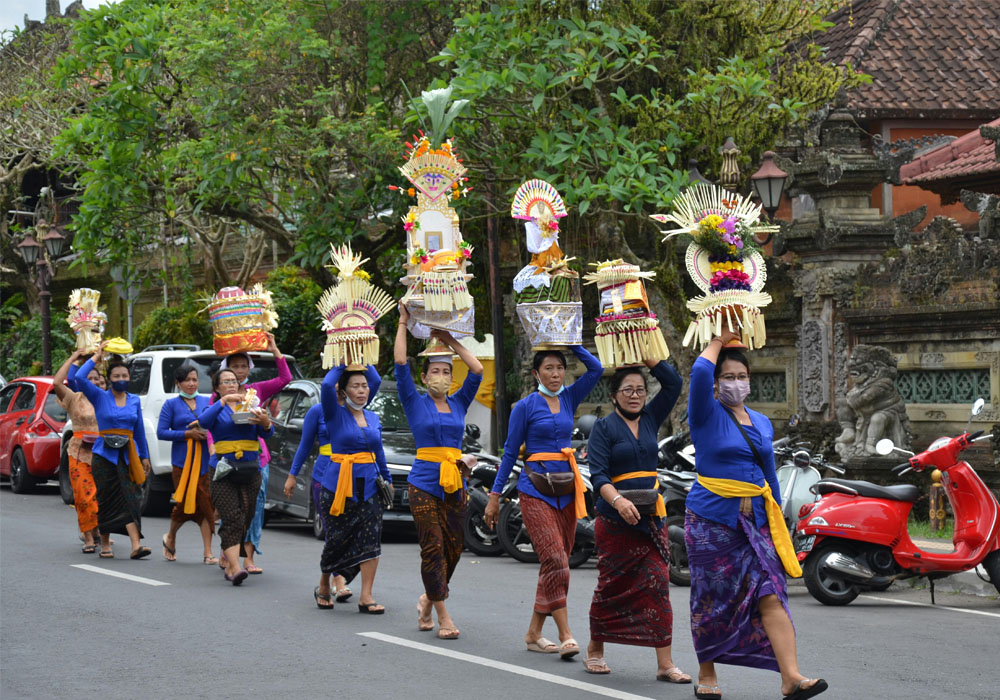
Ubud does not try to impress you with grandeur. Instead, it invites you to slow down, observe, and appreciate the small rituals that give meaning to each day.
And if you stay long enough, you may realize that Ubud is not just a place you visit—it is a place that gently teaches you how to see Bali differently.
When the Town Wakes Slowly
I arrive in Ubud just as the morning light begins to touch the rooftops. The streets are quiet, far different from the busy atmosphere that will come later in the day. A few scooters pass slowly, and shop owners begin placing offerings in front of their doors.
Small woven trays filled with flowers, rice, and incense sit carefully on the ground. The scent of burning incense drifts gently through the air. In Bali, the day does not begin with noise or rush—it begins with gratitude.
Ubud, often called the cultural heart of Bali, feels less like a town and more like a living gallery where art, spirituality, and daily life exist side by side.
A Village That Became the Cultural Center of Bali
Long before Ubud became famous among travelers, it was already known as a center for healing and spiritual learning. The name “Ubud” is believed to come from the Balinese word ubad, meaning medicine.
This area was historically rich with medicinal plants and natural remedies. Traditional healers, known as balian, practiced their craft here, and people from surrounding villages would come seeking treatment and guidance.
Over time, Ubud grew into an important center for art and culture, supported by the royal family of Ubud Palace. The palace encouraged local artists, dancers, and craftsmen, helping Ubud develop its strong artistic identity.
Art That Lives in Everyday Life
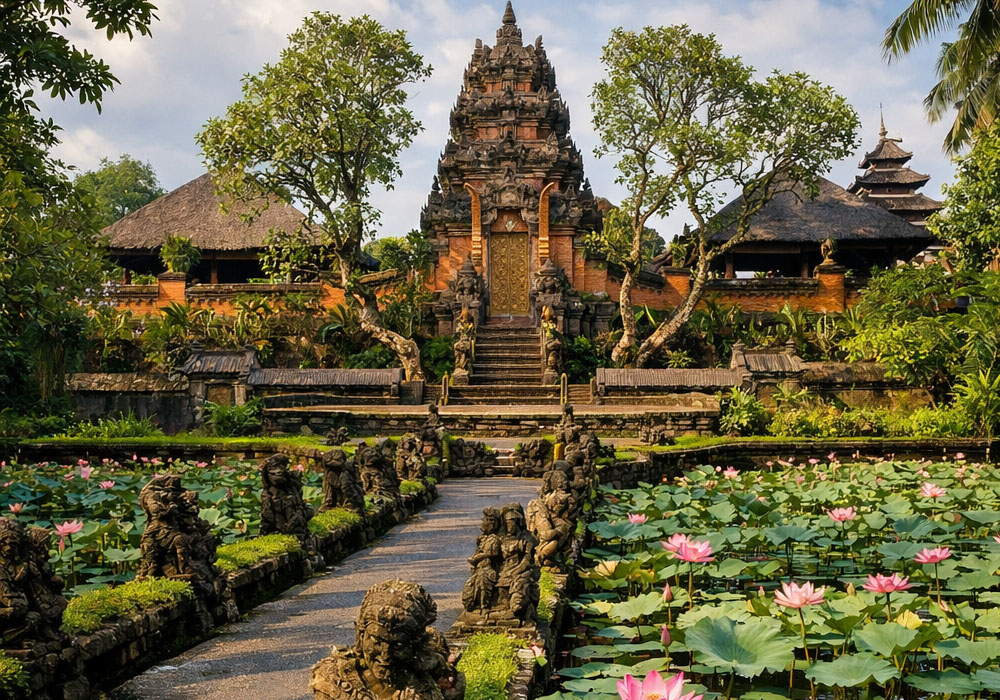
Walking through Ubud, art is everywhere — not only in galleries but also in temples, homes, and even small roadside shrines. Wood carvings, stone statues, and intricate paintings appear around every corner.
In the early 20th century, the royal family of Ubud collaborated with foreign artists who came to Bali seeking inspiration. One of the most influential figures was Walter Spies, whose work and mentorship helped shape modern Balinese painting.
Instead of changing local traditions, this cultural exchange strengthened them. Today, Ubud remains one of the most important centers of Balinese art.
Rice Fields and the Rhythm of Nature
Just a few minutes away from the town center, the landscape opens into wide rice fields. The most famous among them are the terraces of Tegalalang Rice Terrace, where layers of green fields follow the natural curves of the land.
These terraces are not just beautiful—they represent the ancient Subak system, a traditional irrigation method that has guided Balinese agriculture for centuries.
Subak is more than farming. It is a community system based on cooperation and spiritual philosophy. Water is shared fairly among farmers, guided by temple rituals and community agreements. This harmony between people and nature is one of Bali’s most important cultural values.
Temples That Anchor the Town
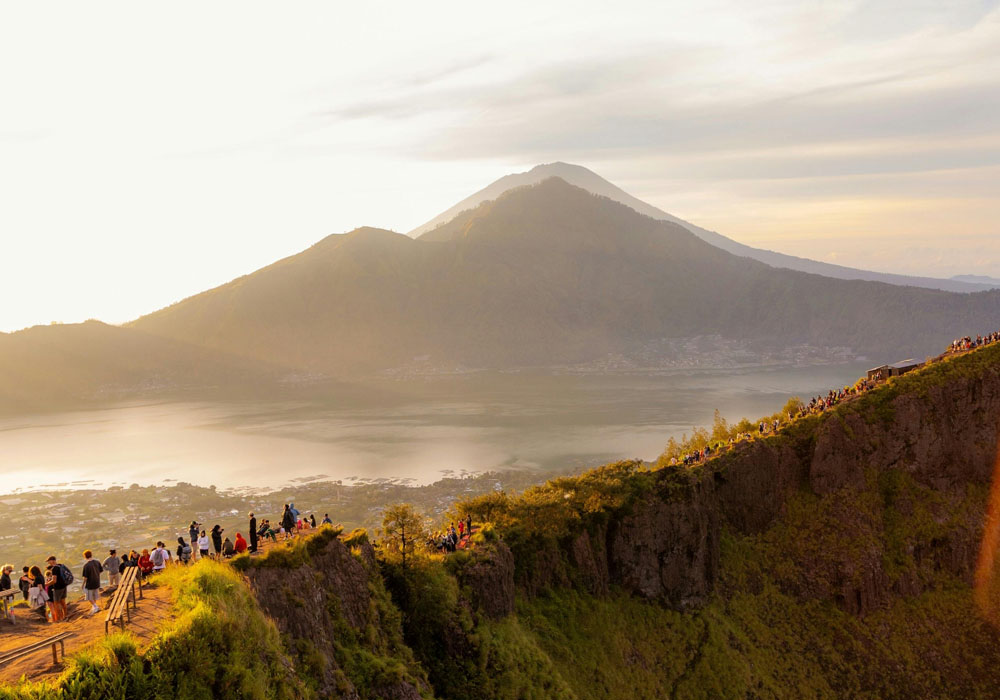
Temples appear throughout Ubud like quiet guardians of tradition. One of the most visited is Saraswati Temple, known for its beautiful lotus pond and dedication to the goddess of knowledge.
Another spiritual space lies just outside the town center: Sacred Monkey Forest Sanctuary, where ancient temples stand among giant trees and hundreds of long-tailed macaques roam freely.
These sacred places remind visitors that Ubud is not just a tourist destination. It is a living spiritual landscape.
Local Wisdom in Daily Rituals
One of the most beautiful aspects of Ubud is how spirituality blends seamlessly with daily life. Offerings are made every morning, ceremonies fill temple courtyards throughout the year, and traditional dances continue to be performed regularly.
Balinese philosophy emphasizes Tri Hita Karana — the harmony between humans, nature, and the divine. This concept shapes everything from village planning to farming and religious practice.
In Ubud, this balance is not explained in books — it is lived every day.
Best Time to Visit
The best time to explore Ubud is early morning between 6:30 and 9:00 AM. The temperature is cooler, the streets are quieter, and you can observe the daily offering rituals that happen throughout the town.
Late afternoon is also pleasant, especially for watching traditional dance performances in temple courtyards or at Ubud Palace.
The dry season, from April to October, generally offers the best weather for exploring the surrounding rice fields and nature walks.
Entrance Fees and Visitor Information
Ubud itself does not have an entrance fee, but some attractions within the area charge small fees. For example:
- Sacred Monkey Forest Sanctuary: around IDR 80,000–100,000
- Saraswati Temple: free entry (donations appreciated)
- Traditional dance performances: around IDR 100,000
These fees support temple maintenance, cultural preservation, and local communities.
How to Get There
Ubud is located in the central highlands of Bali, about 1–1.5 hours from Denpasar or Ngurah Rai International Airport depending on traffic. Visitors can reach the town by scooter, taxi, or private driver.
Because Ubud sits in the middle of the island, it is also a convenient starting point for exploring waterfalls, volcanoes, and traditional villages.
More Than Just a Destination
As the sun begins to set, Ubud changes again. The sound of gamelan music floats through temple courtyards, restaurants fill with quiet conversations, and lanterns glow softly along the streets.
What makes Ubud special is not just its beauty. It is the way culture continues to breathe through everyday life.
Ubud does not try to impress you with grandeur. Instead, it invites you to slow down, observe, and appreciate the small rituals that give meaning to each day.
And if you stay long enough, you may realize that Ubud is not just a place you visit—it is a place that gently teaches you how to see Bali differently.